Leather Conditioning Without the Hype: What Actually Works
What leather conditioner can and cannot do, how often a bag actually needs it, which leathers should never be conditioned, and why humidity matters more.
Reviewed by Tessa Marlow · Updated Sep 2, 2026
What this answers
- How often should a leather bag be conditioned?
- Can conditioner remove scratches from leather?
- Should I condition suede or patent leather?
Leather conditioner has one job: it replaces some of the oil leather loses and slows the drying that ends in cracking. Half the bags that get conditioner do not need it yet, and a few should never get it at all. The product does not restore leather, and it never fills a scratch.
What oil does inside the hide
Leather is skin turned into a dense mat of fibres, and the oils sitting between those fibres are what let them slide past each other when a bag flexes. As the oil content drops, the fibres start to grip and abrade one another. The visible sequence is a surface that loses its depth, then stiffness that resists bending, then a crease that stays creased.
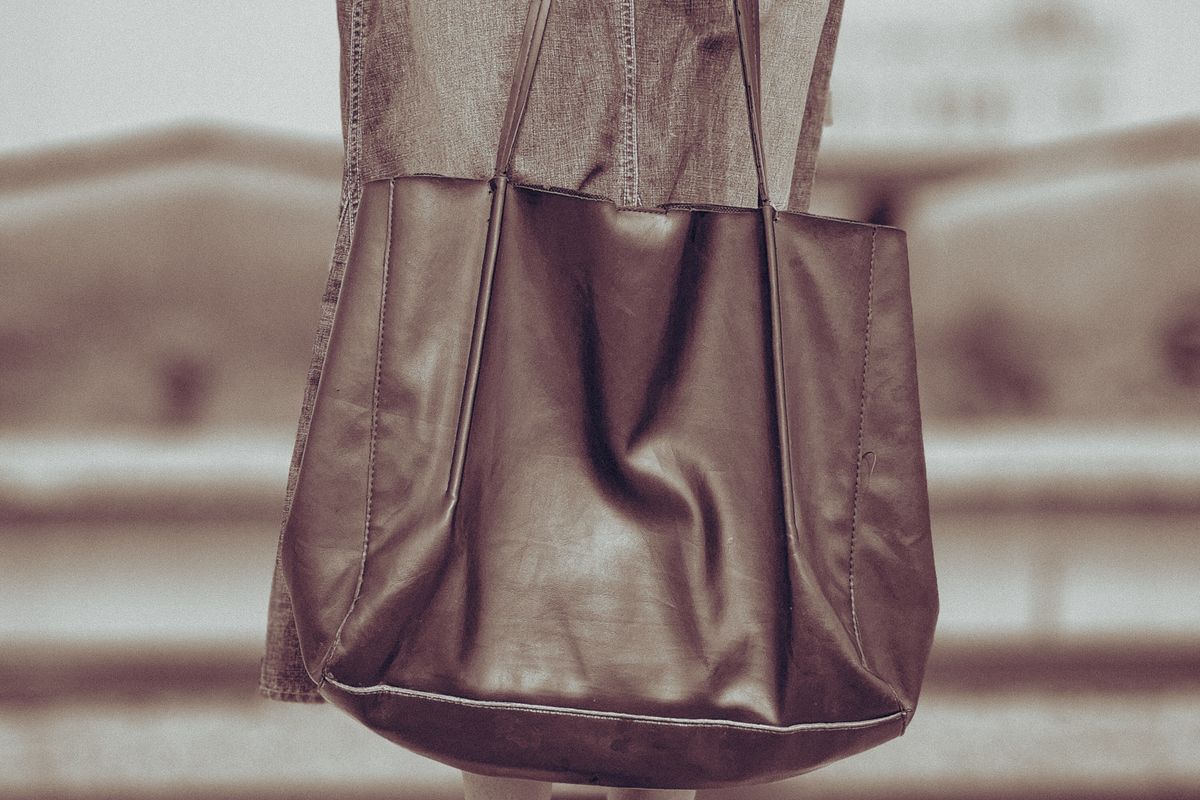
Conditioner adds oil back from the surface inward, and that explains both its promise and its ceiling. It can slow moisture loss in dry, heated rooms and keep a full-grain or vegetable-tanned surface supple. It cannot repair a cut, because fibres that have been severed stay severed no matter how much fat you work into them. It cannot lift a stain, since staining is a colour change inside the fibre, not a dryness problem. And on coated leather it does almost nothing, because absorption is the only route in and the coating blocks it.
Conservation guidance treats very dry conditions, below roughly 30% relative humidity, as the cause of embrittlement. A dressing applied after the fibres have already gone does not undo that. This is the single most useful thing to know about conditioning: it is preventive maintenance with a narrow window of usefulness, not a repair.
The fingernail test for scratches
Run a fingernail across the mark. If the nail slides over it, the fibres have been displaced but not cut, and shallow marks on full-grain leather often respond to warmth from a fingertip and a small amount of conditioner worked in with a soft cloth. Rehydrating the displaced fibres lets them settle back toward their original position, which blends the mark rather than erasing it.
If the nail catches, the fibres are severed. No conditioner closes that. You are looking at a repair, which means a leather worker, a filler, or a decision to live with the mark. Catching it early matters for a different reason: an open cut lets water and dirt reach the fibres underneath, so a cut left untreated tends to grow.
A schedule you read from the surface
Two independent care guides put a daily-use bag at every three to six months and an occasional-use bag at once or twice a year. New leather arrives with its oils intact, so the first year of a new bag rarely needs any product at all. Working to a calendar instead of the leather is how over-conditioning happens.
The signs to wait for are specific. A dull, greyish cast across the areas that get handled most — the top of the handle, the flap edge, the corners of the base — is the clearest one. Stiffness is the second: leather that used to give when you pressed it now pushes back flat. If neither sign has appeared, the leather still has what it needs.
Over-conditioning is the common failure
Too much conditioner causes damage in three distinct ways. It softens the structure, which a boot upper tolerates but a bag panel does not, because a bag has to hold its shape with nothing but its own leather doing the work. It leaves a tacky film that collects dust and makes the surface harder to clean than dry leather ever was. And it darkens the finish unevenly, which shows fastest on cream and natural-tan leathers where every over-wiped patch stands out.
A wax-heavy product made for boot uppers shifts colour further than a light cream, so the product category matters as much as the frequency. The pitch to condition monthly comes mostly from brands that sell conditioner. When a brand recommends monthly conditioning, that is a product calendar, not a leather one.
The leathers that should stay dry
Suede and nubuck are napped leathers: their surface is made of standing fibre ends, and conditioner mats those ends down into a shiny patch that no brush fully lifts again. What they want instead is a soft brush, a suede eraser and a protector spray. Coach’s own care guidance sends suede to an eraser and brush, not a cream, and that is the right instinct for the whole category.
Patent and other lacquered or heavily coated finishes are sealed. Conditioner cannot reach the fibres beneath the coating, so it sits on top as a greasy, cloudy film that attracts dust and has to be cleaned off. Coach lists coated canvas and fabric for a damp cloth only, and metallic finishes for a gentle wipe. Corrected-grain and heavily finished leathers behave the same way: whatever absorbency conditioning relies on has already been sanded and sealed away. The finish on these leathers is the protection; adding product adds nothing.
The kit, and the products that only add shine
Worth the shelf space: a lint-free cloth, clean water for routine wiping, a mild pH-balanced cleaner, one conditioner matched to the leather you own, and a breathable dust bag. That is the whole list, and the cloth and water do more of the yearly work than everything else on it combined.
Less useful: food oils, which can turn rancid inside the leather and leave permanent stains; silicone-heavy dressings, which lay down the same blocking film as a patent coating; and mink oil on a fine-grain handbag, where it darkens noticeably and cannot be reversed. High-solvent shine products mostly lay a film on the surface and call it care.
Test any new product on a hidden area, such as the inside of a flap or the bottom of a strap, then wait a full day before judging. The reaction you care about — darkening, tackiness, cloudiness — often shows up slowly. If the test patch changes, the product is telling you what it would do to the outside.
Humidity and storage do more than any product
Where the bag lives matters more than what you put on it. Conservation guidance puts the stable range at roughly 45% to 55% relative humidity at 18 °C to 20 °C, and mould needs above roughly 65% to grow. A radiator does more harm in one winter than any conditioner can undo, and dryness embrittles leather as reliably as damp. A sunlit windowsill bleaches the finish patch by patch.
The storage routine costs nothing. Stuff the bag loosely to hold its shape, using paper or fabric rather than newspaper, which transfers ink. Keep it in cotton or a breathable dust bag rather than plastic, because sealed plastic traps any moisture present and holds it against the leather. Keep it out of direct sun. None of this is product knowledge, which is exactly why it gets skipped.
The same logic applies to tarnish on metals and to shoes: the environment does the long-term damage, and the care kit only manages the short term.
More in Bags & Luggage
FAQ
- How often should a leather bag be conditioned?
- For a bag carried daily, every three to six months; for one used occasionally, once or twice a year. New leather arrives with its oils intact, so there is nothing to replace yet.
- Can conditioner remove scratches from leather?
- It can blend shallow surface marks on full-grain leather by rehydrating displaced fibres. If a fingernail catches in the mark, the fibres are cut and conditioner will not close it.
- Should I condition suede or patent leather?
- No. Conditioner mats the nap on suede and nubuck, and it cannot pass through the coating on patent or lacquered finishes, where it sits on the surface as a greasy film.
Second Look
Every figure used above, with the section it appears in. If a number here does not match the page you are reading, trust the page — and tell us.
- 30%
- What oil does inside the hide
- 45%
- Humidity and storage do more than any product
- 55%
- Humidity and storage do more than any product
- 65%
- Humidity and storage do more than any product
Tessa Marlow
Writes about garment construction, leather goods and footwear specs. Started in retail floor management before moving to editorial research. Our standards.