Why Coat Sleeves Fail First: Wool Grade and Lining Construction
Sleeve linings fail first because they are the cheapest part of a coat. Here is how lining fibre and fused versus canvassed fronts decide its life.
Reviewed by Maya Ellis · Updated Aug 11, 2026
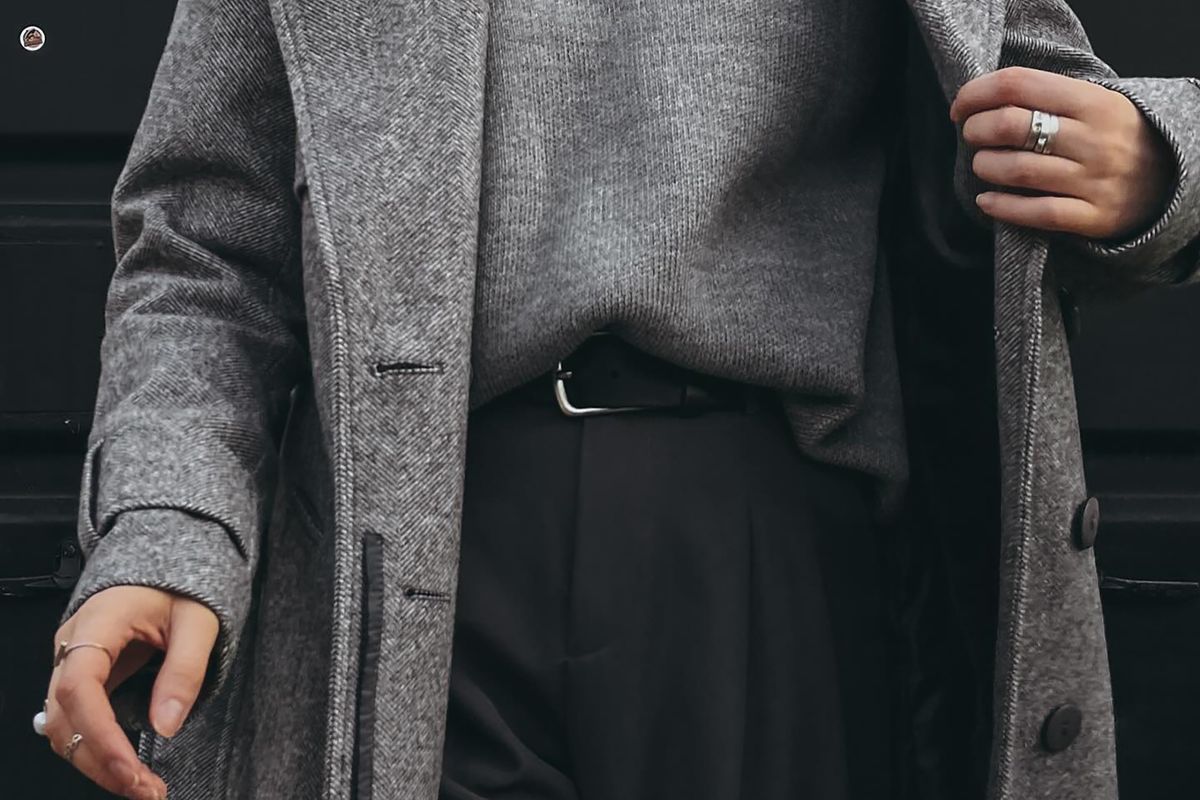
The sleeve lining is where a coat meets the most load for the least money. The elbow flexes thousands of times, the underarm holds sweat, and the arm slides past the shell on every movement. Cloth is where the budget goes on a good coat; lining is where it gets saved. High friction plus the cheapest component is why the inside of a sleeve gives out before the wool does.
Four lining fibres, and what they do
Lining is a breathability-versus-abrasion trade, and it shows up as comfort long before it shows up as a hole.
| Fibre | Breathability | Durability | Feel |
|---|---|---|---|
| Cupro (Bemberg) | Highest | High | Cool, dry, silky |
| Viscose | Good | Moderate | Soft, smooth |
| Acetate | Moderate | Limited, worse wet | Hard, glassy shine |
| Polyester taffeta | Lowest | Very high | Slick, faint rasp |
Cupro takes up around 12.5% moisture regain and is inherently anti-static; polyester sits near 0.4% and relies on being hydrophobic. Acetate is the one to watch, because the fibre can lose up to about 30% of its strength when wet, which is exactly the condition at an underarm. By hand: cupro has a cool, slightly papery weight; acetate skates under the finger with a hard shine; polyester taffeta is slick and faintly plastic; viscose is softer and holds a pinch crease.
Fused versus canvassed, and what two winters show
A fused front glues the outer cloth to a synthetic interlining. It is fast and cheap, and on the day you buy it, it can look fine. What you give up appears later. The panel behaves as one stiff sheet, the lapel is pressed into a flat crease rather than rolled, and there is a failure mode a canvassed coat does not have: delamination, where the adhesive lets go in patches after enough heat and dry cleaning and the cloth ripples away from the layer beneath. It is not repairable.
A canvassed front uses a floating horsehair canvas pad-stitched between cloth and lining. It moulds to the wearer over months and has no glue to fail. Half canvas runs the canvas to the waist and fuses below. The pinch test separates them in ten seconds: take the front at chest height beside the buttonhole edge, pinch it, and try to roll the layers against each other. Three layers with a springy middle that slides means canvassed. Two layers that feel like one stiff board means fused. Repeat near the bottom button; if the floating layer has gone, it is half canvas.
A short inspection routine
Turn the coat inside out first. Down the centre back of the lining there should be an ease pleat, a fold of spare fabric that opens when you reach forward; without it the lining splits along that seam. The lining should hang free at the hem, held by thread loops rather than sewn down. Then run the pinch test, and finish by pulling the sleeve lining gently at the elbow and looking for shine and thinning. The fibre questions in cashmere ply and gauge apply to wool coatings the same way, and coat sleeves for petite frames covers the alteration arithmetic. How to read a spec sheet lists the remaining figures worth demanding before you buy.
FAQ
- Which coat lining lasts the longest?
- Cupro, sold as Bemberg, is the durable breathable choice and wicks moisture. Polyester is more abrasion-resistant but traps heat against the body. Acetate looks silky but loses a large share of its strength when it gets wet.
- What is lining bubbling on a coat?
- Delamination. On a fused front, the adhesive between the outer cloth and the interlining lets go in patches after repeated heat and dry cleaning, and the cloth ripples. It cannot be repaired.
- How can I tell if a coat is canvassed in a shop?
- Pinch the front at chest height next to the buttonhole edge. Three layers with a springy middle that slides independently means canvassed; two layers that feel like one stiff board means fused.
Maya Ellis
Writes about garment construction, leather goods and footwear specs. Started in retail floor management before moving to editorial research. How we research.