A 12-Piece Workwear Capsule That Survives a Full Week
Twelve workwear pieces that survive a five-day week, built around laundry cycles and ironing time instead of aesthetics.
Reviewed by Maya Ellis · Updated Jul 21, 2026
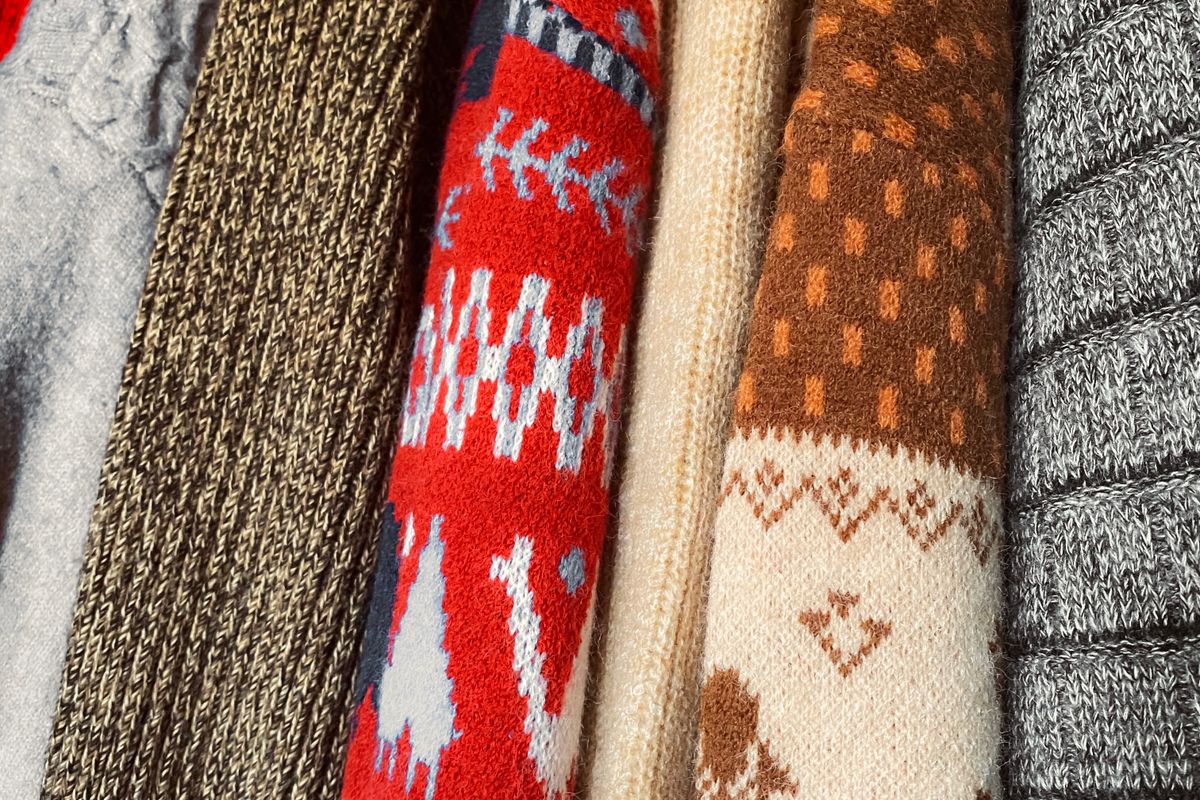
A workwear capsule fails for a boring reason: not enough of it can be worn twice. Build the twelve pieces around the laundry cycle and the ironing time instead of a colour palette, and the arithmetic does most of the deciding. The number that matters is wears before washing, and it varies more between fabrics than between brands.
Build the capsule backwards from the laundry pile
Wool tolerates far more wear between washes than cotton. Published care guidance puts base layers and everyday knits at roughly 3 to 5 wears, and outerwear such as suits and coats at 5 to 10, because wool resists odour and releases creases when it rests. A cotton poplin shirt gets one wear. That asymmetry, not taste, sets the list.
A workable twelve: five cotton poplin shirts, two pairs of wool trousers, one pair of ponte trousers, three fine-gauge knits or wool layers, and one blazer. The shirts cover the week one for one. The two wool trousers and the ponte pair together carry ten to twenty wears, well past Friday. The knits run three to five wears each. The blazer barely enters the wash cycle at all.
What each fabric costs you on a Sunday evening
Wool suiting is the forgiving one. Creases drop out overnight on a hanger, faster in a steamy bathroom. Dry clean it sparingly, because the friction and solvent wear cloth faster than wearing it does, and rest it a day between wears.
Cotton poplin is a plain weave with fine crosswise ribs, crisp, breathable and more crease-resistant than most cotton. It still shows a fold, and it sets your ironing time. It presses easily, which is the trade.
Ponte is the one that buys your evening back: a double knit, usually 250 to 400 GSM, stable enough to hold a tailored line and barely inclined to wrinkle. It machine washes, hangs to dry and needs no iron. Fold knits; never hang them dripping.
The piece that always fails first
It is the shirt, and it fails as a system rather than as a garment. A cotton shirt cannot be worn twice, so five shirts mean five washes and five presses a week. That is the bottleneck. Physically, the next to go is knitwear under the arms and at the elbow, where friction lifts fibres into pills. The ponte trouser seat and knees are third: a ponte that does not recover from a stretch bags there permanently. Ask a swatch to recover, not to stretch.
The ten-second wrinkle test in a shop
Take a handful of fabric, squeeze it hard for five seconds, release and watch under raking light. Wool springs back and the fold fades; cotton and linen hold a bright line, because cellulose fibres rebond in the folded position. Then test recovery: pull two opposite corners on the diagonal, hold ten seconds, release, and see whether the square returns to square. A cloth that stays distorted bags at the seat. For knit trousers, stretch a section firmly several times and release it. The same discipline appears in pilling by month six, and cashmere ply and gauge explains why construction, not price, sets how long a knit lasts. How to read a spec sheet applies that logic to the numbers a listing actually publishes.
FAQ
- How many pieces do I actually need for a five-day work week?
- Five shirts, three bottoms, three knit or wool layers and one jacket covers it, because only the shirts have to be washed after a single wear.
- Which workwear fabric wrinkles least?
- Ponte, a double knit, resists wrinkles almost completely and needs no ironing. Wool suiting recovers creases when hung. Cotton poplin creases but presses easily.
- How do I test a garment's wrinkle recovery in a shop?
- Squeeze a handful of the fabric for five seconds, release it and watch whether it springs back or holds the fold. Wool returns to shape; cotton and linen keep the line.
Maya Ellis
Writes about garment construction, leather goods and footwear specs. Started in retail floor management before moving to editorial research. How we research.