Totes That Fit a 16-Inch Laptop, Measured
A 16-inch laptop is about 35.5 cm long, so interior length decides whether a tote takes it. Three bags compared, plus how to check a bag you own.
Reviewed by Tessa Marlow · Updated Sep 7, 2026
The numbers first
- Handle drop: 11.2 in / 28.4 cm · 11 in long / 6.25 in small (28 / 16 cm) · Not published
- Exterior base width: 18.5 in / 47 cm · 20.5 in / 52 cm · 18.9 in / 48 cm
- Price: USD 158 · USD 298 · USD 169
A 16-inch laptop is about 35.5 cm long and 25 cm deep, and the number that decides whether a tote takes it is interior length — the distance across the inside of the bag, seam to seam. The marketed screen size tells you almost nothing about that. A bag can print a 40 cm exterior and still refuse a 36 cm machine.
Interior length, not exterior width
Exterior width is measured across the widest point, usually the rim, and it is the number brands publish. The interior is smaller for three reasons that stack: the side seams and lining take up a centimetre or more at each end, a padded sleeve adds its own thickness, and a top zip runs inside the rim, so the aperture you push the laptop through is narrower again.
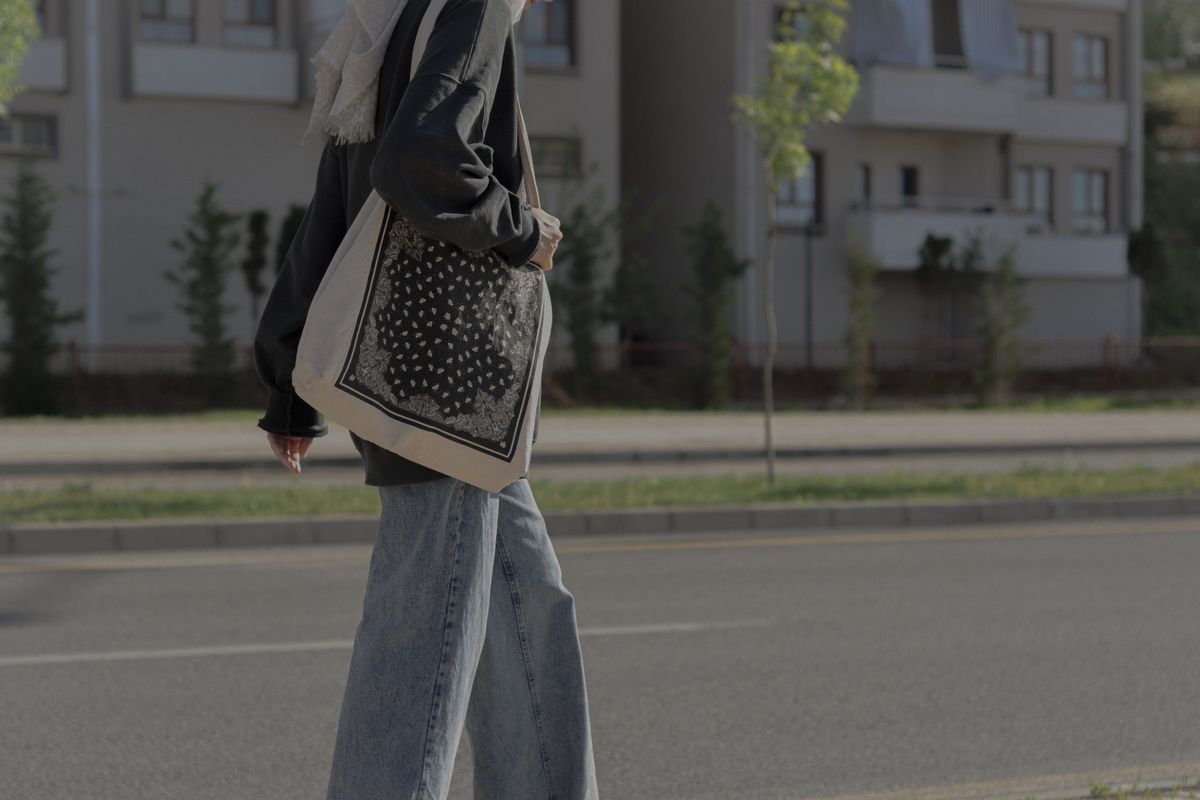
That is why a tote listed as fitting a 15-inch laptop sometimes swallows a 16-inch machine and sometimes refuses it. Apple lists the 16-inch MacBook Pro at 35.57 × 24.81 cm, so a bag needs roughly 36 cm of clear interior length before padding and closer to 37 cm once a sleeve is involved. Taper matters as much as the rim: a tote that is 40 cm at the top and 36 cm at the base will fit the laptop high and jam it low.
The margin deserves its own attention. A bag with exactly 36 cm of clear length accepts the machine on an empty bag and fails on a full one, because a packed laptop pushes against the base seam and the lining tension changes the geometry slightly. Working clearance is the number you want, and the only way to get it is to add the margin at the shopping stage rather than discover its absence at the packing stage.
What listings publish instead of interior length
Product pages rarely give you the number that matters. Brands publish substitutes: exterior dimensions, total capacity in litres, a laptop-fit rating such as fits up to 16 in, or nothing beyond marketing copy. Each substitute overstates the interior in its own way.
Exterior dimensions are the most usable, because interior length always lands under them once seams, lining and padding are counted — but by an amount no listing states. Capacity is the least usable. Litres measure volume, and volume says nothing about shape: twenty-one litres spread along a duffel tube distributes space completely differently from twenty-one litres concentrated in a wide flat base. Two bags with identical capacity can differ by centimetres at the base, which is exactly where a laptop rests.
A laptop-fit rating describes the sleeve or pocket, not the space around it. Rated to 16 in means the padded pocket accepts a 16-inch machine. It leaves open whether the machine sits flush against the base, whether the pocket stays reachable once the main compartment is loaded, and whether the bag still closes over all of it. Treat the rating as a floor for the pocket and check the rest of the geometry yourself — which, given how few brands publish interior measurements, usually means a tape and the return window. Measuring interior width on a bench is the same discipline applied to everyday bags.
Three totes that clear it
Away Everywhere Tote takes a 16 in machine in a padded pocket inside the main compartment, under a top zip that closes over both sides. Away publishes the capacity (21 L) and the laptop fit rather than the exterior dimensions; a retailer listing puts the exterior at 18.5 × 11.5 × 7.6 in (47 × 29 × 19 cm). Because the laptop sits in its own padded pocket rather than loose against the lining, it is not fighting the rest of the load for space.
Cuyana Classic Easy Tote measures 20.5 in wide, 12.5 in high and 5 in deep (52 cm across), and the brand states it fits a 15–16 in laptop. There is no built-in padded sleeve: the interior snap system takes a separate one, sold in 13 in and 16 in sizes, so a 16-inch machine sits against leather unless you buy the sleeve. Cuyana publishes two handle drops, 11 in on the long setting and 6.25 in on the short.
Bellroy Tokyo Wonder Tote offers a 320 × 480 × 120 mm exterior and a padded sleeve rated to 16 in inside a 15 L body, closed with a full-length zip. At 700 g it is the lightest of the three, and the sleeve is part of the bag rather than an accessory.
Read against the substitutes above, the pattern holds. Away leads with capacity and a fit rating, Cuyana with exterior dimensions and a fit claim, Bellroy with exterior dimensions and a built-in sleeve. None of the three publishes clear interior length, so the 36 cm test still has to be run in person or trusted to the sleeve rating.
Taper, gussets, and the base the laptop lands on
A tote is rarely a rectangle in three dimensions. Slouchy leather bags narrow toward the base, and unstructured nylon ones collapse into a lens shape when set down. Both behaviours eat clear length at exactly the height where the laptop rests, which is the base of the bag, not the rim.
The gusset is the folded panel that gives a bag its depth. A wide gusset lets the base hold a flat rectangle; a narrow one forces the base into a curve, and a flat laptop against a curved base touches it at two points. Photos help here more than copy does: a bag photographed standing on its own usually has enough structure at the base, while one that slumps in every product shot needs to be judged in person.
Structured or not, the base width in the spec sheet is the figure to compare against the laptop’s depth — 24.81 cm for the 16-inch MacBook Pro — plus a margin. A bag whose base width barely exceeds the machine’s depth will need the laptop angled, and an angled machine is how corners get dinged. The Cuyana’s 52 cm exterior base is generous against that depth; a 30 cm base would not be, whatever the rim measurement says.
Handle drop and where a loaded tote rides
Handle drop decides where the bag sits on the body, and a laptop changes the calculation because it concentrates the weight. Drop is measured from the top of the strap to the top of the bag. A drop near 11 in — Away lists 11.2 in on the Everywhere Tote, Cuyana 11 in on the long setting — clears a padded shoulder and lets the bag ride at hip level. Cuyana’s short setting, 6.25 in, is a hand carry or a forearm crook, and with a machine inside the forearm notices within a few blocks.
The bag’s own depth is the other variable. A deep tote hung on the shoulder swings forward as you walk, and a rigid laptop amplifies the swing because it will not flex with the load. A shallower body or a wider, flatter base settles closer to the hip. Neither position is wrong: the long drop suits a coat and a commute, the short one suits a car-to-desk walk. What matters is that the drop is published at all. Cuyana publishes two settings, Away one, Bellroy none — which means the Bellroy’s carry position can only be judged in person or from reviews that measured it.
Measuring the bag you already own
Lay a tape flat on the base, inside the bag, and read seam to seam at the widest point the base allows. Then drop in a book about the size of your laptop and try to close the bag. If the closure fights, the bag is short regardless of what the listing said. Measure low as well as high, because a tote that clears the laptop at the rim may narrow below it.
Run the same test with the sleeve in place if you carry one. A sleeve that fits the empty bag can push the aperture past its limit once the machine is inside, and the failure shows up as a zip that needs two hands.
What a sleeve adds, and what it protects
An unpadded leather tote will not damage a closed laptop in normal carrying. What unprotected carry does is transfer point loads — a charger, a water bottle or a zip pull pressing on the lid and the screen. A neoprene sleeve adds roughly a centimetre on each side, which is why it belongs in the measurement rather than after it. That is the whole method: measure the laptop with the sleeve in mind, and look for a bag whose interior clears the combined number.
It takes four minutes with a tape. How to read a spec sheet applies the same discipline to garment measurements, and carry-on limits by airline does it for overhead bins. Once the bag fits, strap drop decides where it sits.
What a wrong fit costs
Forcing a laptop into a short tote produces a specific failure pattern. The machine enters at an angle, rides above the base, and the lid takes the load of everything packed beside it. Corners show it first: a fine scuff along one edge, then a dent where the corner met the base seam. A bag that closes only over the middle of the opening leaves the machine’s top edge exposed, and a zip that needs two hands is a signal the aperture is tighter than the fit.
The cheap failure is the returned bag. The expensive one is a lid replaced under protest, because screen pressure from a packed tote is not the kind of damage a warranty assumes. Both trace back to the same skipped step: the interior was never measured, only the listing was read. Brands design totes around what fits at the rim, because the rim is what shows in photos. The base, where the laptop actually sits, is the part of the bag no marketing copy describes — and the part that decides whether the machine survives the year.
Recommendations
Some of the links below are affiliate links, which means we may earn a commission on qualifying purchases at no extra cost to you.
Pick 01
Away Everywhere Tote
Best sleeve placement USD 158
The padded laptop pocket sits inside the main compartment and is rated to 16 in, so the machine does not fight with the rest of the load. A 21 L nylon tote with a top zip and a trolley sleeve for stacking on a suitcase.
Works
- Padded interior laptop pocket rated to 16 in, closed by the bag's top zip
- 1.57 lb empty and 21 L capacity, light for a bag that takes a 16-inch machine
- 11.2 in handle drop clears a shoulder on the shortest setting
Trade-offs
- Exterior is 18.5 in long but the interior length is not published, so clearance has to be checked in person
- Water-resistant nylon and leather trim rather than a leather body
Pick 02
Cuyana Classic Easy Tote
Widest opening of the three USD 298
The 21.6 in exterior is the longest here and Cuyana states the bag fits a 15–16 in laptop, but there is no built-in padded sleeve: the interior uses a snap system for a separate 13–14 in sleeve sold on its own.
Works
- 21.6 in exterior width leaves the most room of the three for a long laptop plus a notebook
- Italian leather that takes a monogram and an optional insert
- 1.6 lb empty, lighter than most leather totes at this size
Trade-offs
- No padded sleeve in the base price, so a 16 in sleeve has to be bought separately
- Open top with no zip, and the handle drop is not published
Pick 03
Bellroy Tokyo Wonder Tote
Lightest with a sleeve included USD 169
A 15 L recycled-fabric tote whose padded sleeve is rated to 16 in and built in rather than added. Full-length zip, luggage pass-through and 700 g empty, which matters once a laptop is inside.
Works
- 700 g empty and a padded 16 in sleeve included at the price
- Full-length zip that opens wide for a 480 mm exterior
- Six-year warranty against material and workmanship defects
Trade-offs
- 480 mm exterior length gives less margin than the Cuyana, and interior length is not published
- Handle drop is not published, so the carry position has to be judged in person
Comparison
| Spec | Away Everywhere Tote | Cuyana Classic Easy Tote | Bellroy Tokyo Wonder Tote |
|---|---|---|---|
| Interior length × height | Interior not stated on the product page; a retailer lists the exterior at 18.5 × 11.5 in (47 × 29 cm) | Interior not stated on the product page; brand lists exterior W 20.5 × H 12.5 in (52 × 32 cm) | Interior not stated on the product page; exterior 480 × 320 mm |
| Laptop sleeve or pocket | Padded interior pocket, rated to 16 in | No built-in sleeve; the snap system takes a separate sleeve, sold in 13 in and 16 in | Padded internal sleeve, rated to 16 in |
| Handle drop | 11.2 in / 28.4 cm | 11 in long / 6.25 in small (28 / 16 cm) | Not published |
| Exterior base width | 18.5 in / 47 cm | 20.5 in / 52 cm | 18.9 in / 48 cm |
| Closure | Top zip over both compartments | Open top with interior snap system | Full-length zip |
| Price | USD 158 | USD 298 | USD 169 |
More in Bags & Luggage
FAQ
- What is the actual length of a 16-inch laptop?
- Apple lists the 16-inch MacBook Pro at 35.57 cm wide and 24.81 cm deep. Other 16-inch machines land within a centimetre of that, so plan for a laptop 35.5 to 36 cm long.
- Why does a tote listed as fitting a 15-inch laptop sometimes take a 16-inch one?
- Because the listing refers to the exterior, the sleeve, or the screen size rather than clear interior length. Side seams, lining and a padded sleeve each remove space, so two bags with the same exterior can differ by three centimetres inside.
- Does carrying a laptop in an unpadded tote damage it?
- Not in normal carrying. The risk is point load rather than impact: a charger, bottle or zip pull pressing directly on the lid and screen. A sleeve adds about a centimetre on each side.
Sources
Second Look
Every figure used above, with the section it appears in. If a number here does not match the page you are reading, trust the page — and tell us.
- 35.5 cm
- Introduction
- 25 cm
- Introduction
- 40 cm
- Introduction
- 36 cm
- Introduction
- 35.57 × 24.81 cm
- Interior length, not exterior width
- 37 cm
- Interior length, not exterior width
- 16 in
- What listings publish instead of interior length
- 11.5 × 7.6 in
- Three totes that clear it
Tessa Marlow
Writes about garment construction, leather goods and footwear specs. Started in retail floor management before moving to editorial research. Our standards.