Wide-Fit Shoes: Reading Width Letters Across Brands
Width letters are not a universal scale. How US and UK shoe width fittings map, how to measure your foot in millimetres, and why 2E differs by brand.
Reviewed by Maya Ellis · Updated Sep 14, 2026
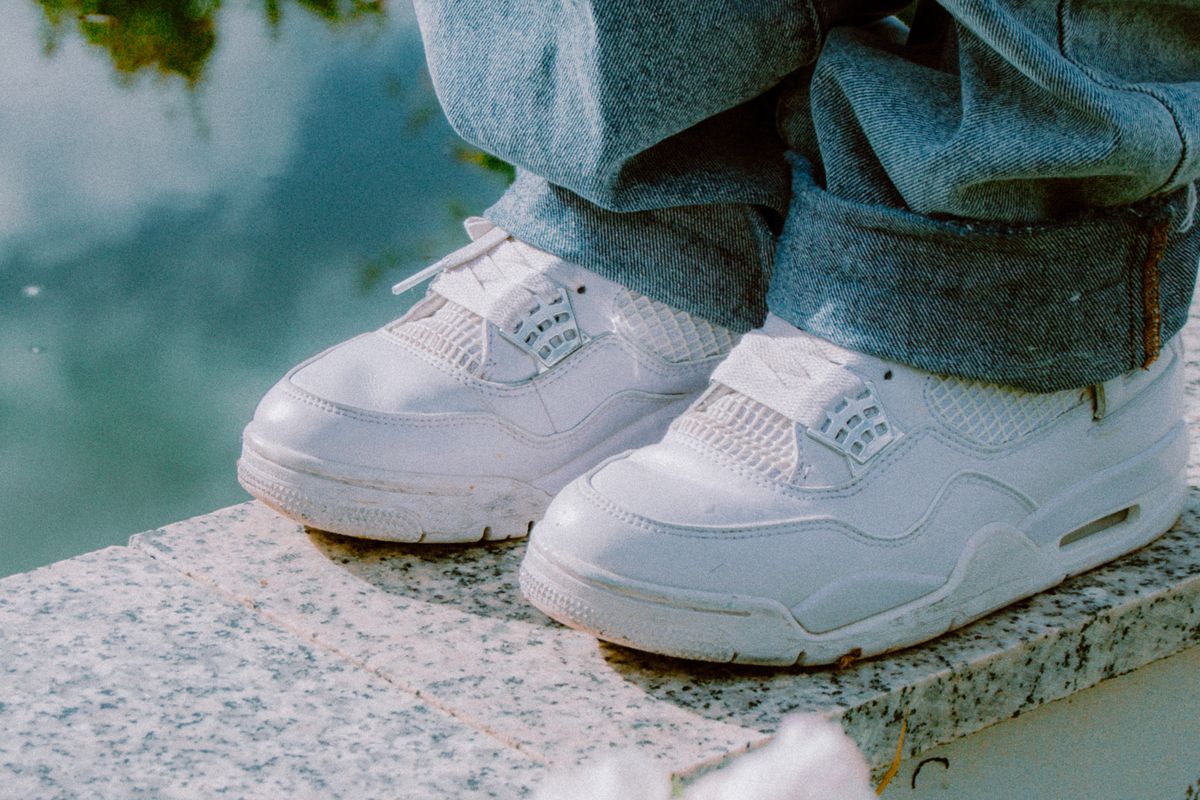
A width letter is not a measurement. It is a label a brand attaches to a last, the form the shoe is built on, and two brands’ 2E can sit almost a centimetre apart. The letter shows where a shoe sits inside one maker’s range, not how many millimetres you get.
What the letters mean in each scale
North American sizing runs AAA, AA, A, B, C, D, E, EE and EEE, with a longer variant that continues 2E, 3E, 4E, 5E and 6E. For men the standard is D; for women it is B. Those A–E indicators are based on foot width, and the common step between them is 3/16 inch, or 4.8 mm.
The UK uses single letters rather than repeats: C, D, E, F, G, H. F is usually medium, but not always — Edward Green and Crockett & Jones use E as their standard instead.
| System | Narrow | Standard | Wide | Extra wide |
|---|---|---|---|---|
| US men | B, C | D | E, 2E | 4E |
| US women | AA, A | B | D | 2E |
| UK | C, D | F (often E) | G | H |
Why a UK fitting is not a US one
The scales were built independently, so conversion tables are approximations. One maker’s E is not necessarily another’s, and the width a given letter covers varies significantly between manufacturers. A chart from the brand you are buying beats a generic table.
Measuring your own foot in millimetres
Clarks publishes a foot-length table in millimetres and tells you to measure both feet, taking the longest. Width works the same way: measure across the ball of the foot at its widest point while standing, because the foot spreads under load.
Which brands publish a chart you can use
Clarks’ UK and European fit guides list women’s fittings as D, E and EE and men’s as G and H. The Australian guide adds a narrower C for women and F for men, so the same brand publishes a different letter set depending on which site you read. New Balance is known for D, 2E and 4E, and Brooks and ASICS list wide options too. Most dress and fashion brands publish no width chart at all.
Volume is a different axis from width
A wide shoe can still pinch the top of your foot. Width is side-to-side room; volume is vertical room over the instep, and a last widened for a broad forefoot does not automatically gain a taller instep. Pressure at the sides points to width. Pressure from above — a bulging tongue, laces that will not close — points to volume, which a deeper upper or a different lacing pattern addresses better than another width grade. The same split appears in sneaker width from narrow to wide.
Read loafer last widths before buying a slip-on, and use size conversion for shoes and bags when a listing gives only one scale.
FAQ
- Does a wide width always fix a tight shoe?
- No. If the pressure is on top of the foot rather than at the sides, the problem is volume, not width, and a wider shoe may not help.
- Is a men's D the same as a women's D?
- No. Men's D is the standard width. Women's standard is B, so a women's D is already a wide fitting.
- Can I measure foot width at home?
- Yes. Stand on paper, trace the outline, and measure across the widest part of the ball of the foot in millimetres, then compare that figure with the brand's published chart.
Maya Ellis
Writes about garment construction, leather goods and footwear specs. Started in retail floor management before moving to editorial research. How we research.